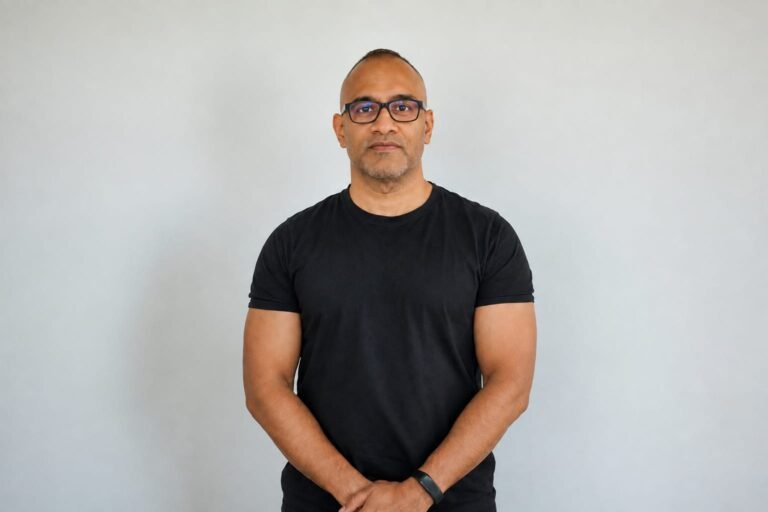


By Varsha P
The author is Senior HR personnel with over 15 years of experience shaping Talent Management and People Agenda across leading firms. With a keen academic interest in Defence Studies, she explores the intersection of military philosophy, ethos of the Indian Armed Forces and IT Organizational Development, drawing stimulating parallels between the Defence & the corporate world.
As a lifelong student of military studies, I have often caught myself mulling over what propels the children and siblings of fallen soldiers and martyrs to follow in their footsteps, embracing military service with much the same sincerity and fervor. As a proud Indian, I have never read a story of sacrifice without a lump in my throat. Yet, beyond the patriotism and profound sense of duty, there has always been a deeper question that intrigued me: what sustains this extraordinary legacy of service across generations? As a pyre is lit of a brave soldier, we have another one in the family getting ready to don the uniform and serve the motherland. What causes this utmost loyalty and connection which a lot of other corporate institutions generally covet for?
Now, reminiscing the political and psychological chapters, I find the Social Contract Theory espouse a viewpoint to explore this phenomenon. Of course, this is only one of the conceptual frameworks to understand this trend and not a claim that every martyrs’ family follows this pathway.
Understanding the Social Contract Theory
Social Contract Theory, associated with three major philosophers, provides three different perspectives.
- Thomas Hobbes: – Individuals surrender certain freedoms to sovereign authority in exchange for protection and security
- John Locke: – Government derives legitimacy from its responsibility to protect life, liberty and property
- Jean-Jacques Rousseau: – Individuals become part of a collective vision/ community through a shared social agreement
These are philosophical frameworks; not literal contracts signed between a soldier’s family and the military. While military service thus becomes a pact of mutual trust, collective responsibility and commitment to the common good, there is a concept of inherited debt towards the motherland that seems to take its course.
Institutional trust & loyalty
The Indian Armed Forces are not merely professional institutions; they are custodians of regimental traditions, collective identity, integrity and an enduring covenant of service with a strong ethos, condensed in the ideals of Naam, Namak aur Nishan (name, salt and standard).
When the military continues to support a martyr’s family, it demonstrates that its commitment is not transactional and limited. The family begins to see the institution as trustworthy rather than simply an organization that employed their loved one. That forms the foundation of reciprocal give-n-take.
This is where the social contract theory intersects with organizational trust and psychological contracts. This is a form of intergenerational transmission of institutional genuineness and validity.
Of course, parameters like the interest of the next generation in the military service are equally important.
Intergenerational continuity
The next generation may inherit a belief that serving the nation is a duty bestowed upon them. The family narrative becomes: – Our loved one served the nation; the institution stood by us; we remain connected to that larger purpose. This is a form of intergenerational transmission of institutional legitimacy & loyalty.
What can other Organizations learn from this?
As a Senior HR professional in a Fortune 100 organization, I see a compelling lesson in the power of holistic Employee Value Proposition for instance, from OROP and Army Group Insurance to compassionate commissioning, family welfare and educational scholarships, the Indian Defence Forces demonstrate that institutional commitment must extend beyond employment. When organizations stand by their people and families, they build loyalty that transcends a pay cheque or employment contract.
In short, perhaps the greatest tribute to our martyrs lies in the families they leave behind who despite knowing the hardship, inspire the next generation to serve through dedicated upbringing. Instead of allowing grief and darkness to prevail, these mothers and families choose to instill devotion towards the service of the nation. We salute not only those who made the supreme sacrifice, but also the families who keep their spirit of the uniform alive. The uniform may be laid to rest, but the legacy of service marches on.